“I thought Japan was 100% cashless, but I couldn’t pay for my lunch!”
Don’t let this happen to you. While Japan is modernizing fast, as residents of Japan, we still see many travelers struggling at cash-only temples, local eateries, and bus lines.
In this guide, we’ll share our personal payment strategy: exactly how much cash we carry and which cards actually work in 2026.
💰 Payment Methods in Japan: Overview
The following payment methods are commonly used in Japan:
- Cash (Japanese yen)
- Credit cards (Visa, Mastercard, etc.)
- Mobile payments (Apple Pay, Google Pay, etc.)
- QR code payments (such as PayPay, which are mainly used by residents and may require a Japanese bank account)
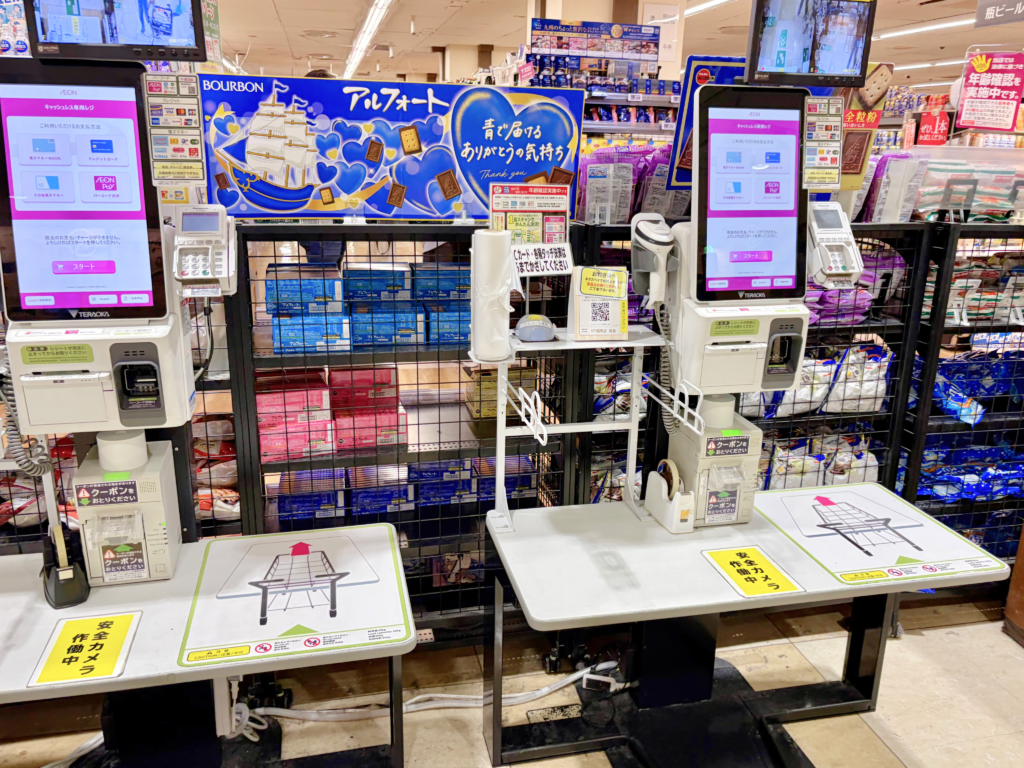
Cashless payments are becoming more common in urban areas, but available payment methods vary depending on the location, so it’s important to be aware of this.
💳 Credit Cards in Japan: Visa, Mastercard & Acceptance
Major credit card brands are widely accepted in Japan:
- Visa
- Mastercard
- American Express
Visa and Mastercard are especially widely accepted, making them the most convenient options for travelers.
However, there are a few things to keep in mind:
- Some cards may have restrictions on overseas usage
- Signature or PIN entry may be required at certain stores
- Contactless payments may not always be supported
It’s a good idea to check your card’s overseas usage settings and fees in advance.
📱 Cashless Payments in Japan: QR Codes & Mobile Payments
In addition to credit cards, mobile payments and QR code payments are also widely used in Japan.
However, the availability of these methods varies by service, so it’s important for travelers to understand the limitations in advance.
- Apple Pay / Google Pay can be used if a supported credit card is registered
- However, acceptance depends on the merchant, so they are not universally usable
- QR code payments (such as PayPay) are mainly domestic services and can be difficult for international travelers to use
Therefore, mobile payments should be considered a convenient backup option, while credit cards should be your primary payment method.
💴 Why Cash Is Still Important in Japan
For first-time visitors to Japan, it is important to understand the role of cash.
In short, cash remains an essential payment method in Japan. Japan is not fully cashless, so it’s a good idea to carry a certain amount of cash.
I would personally recommend carrying around 5,000–10,000 yen per person at all times.
We usually carry around 20,000 yen for two people. In our experience living here, this amount is often enough to cover cash-only shops, local buses, or traditional shrines without any stress.
If you run out of cash, you can withdraw money from ATMs at convenience stores or post offices. For more general travel tips, including information about ATMs in Japan, check out our Japan travel tips guide.
When Cash Is Required in Japan: Shops, Transport & Temples
Cash may be required in the following situations:
- Small, independently owned restaurants
- Some transportation systems (local lines)
- Vending machines and coin lockers
- Temples and shrines (entry fees, omamori, etc.)
- Small supermarkets and local stores
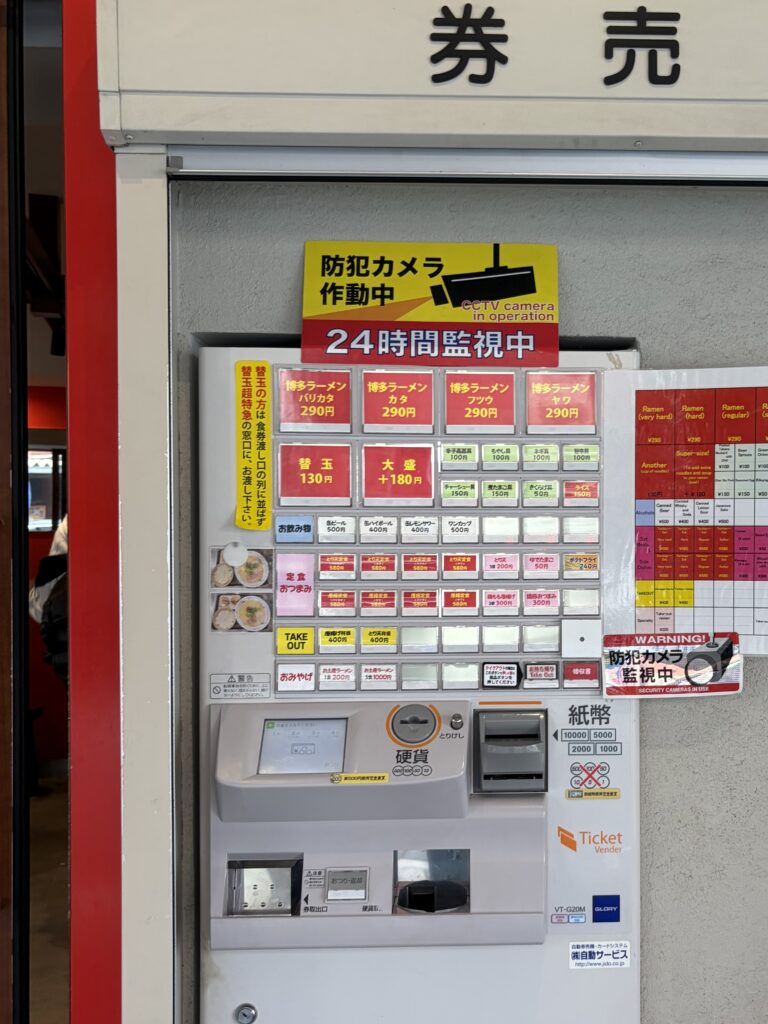
In general, whether credit cards and other cashless payment methods are accepted depends on the size and type of the establishment.
Urban vs. Rural Japan: Payment Method Differences
In major cities such as Tokyo, Osaka, and Kyoto, cashless payments are widely accepted. However, there are still many places that only accept cash.
In contrast, while major tourist areas usually accept cashless payments, rural areas and smaller tourist spots may have limited support, making cash more important.
If you plan to travel mainly in rural areas, it is advisable to carry more cash.
🧳 Payment Methods to Prepare for Japan Travel
To ensure a smooth trip, it is best to prepare a balanced combination of payment methods:
Payment methods
- Cash
- Credit cards (Visa / Mastercard, etc.)
- Mobile payments (Apple Pay / Google Pay) as a supplementary option
International financial services
- Revolut / Wise, etc.
These services help manage foreign currency, exchange money, and make international payments. By combining cards and apps, you can manage your payments more efficiently.
More details are explained in the next section.
💱 Using Revolut & Wise in Japan
When traveling in Japan, combining services like Revolut and Wise with credit cards issued by traditional banks can expand your payment options.
These services not only support payments abroad but also offer currency exchange and multi-currency management, allowing you to use them flexibly together with cash and cards.
Revolut
We also use Revolut for payments and cash withdrawals in Japan. It is especially convenient for international travel, as it can be used in multiple countries.
Revolut offers the following features:
- Multi-currency management
- International payment support
- Physical card for in-store payments
- Can be linked to Apple Pay / Google Pay for mobile payments
- Centralized management of balance and transaction history via the app
- Potentially favorable exchange rates
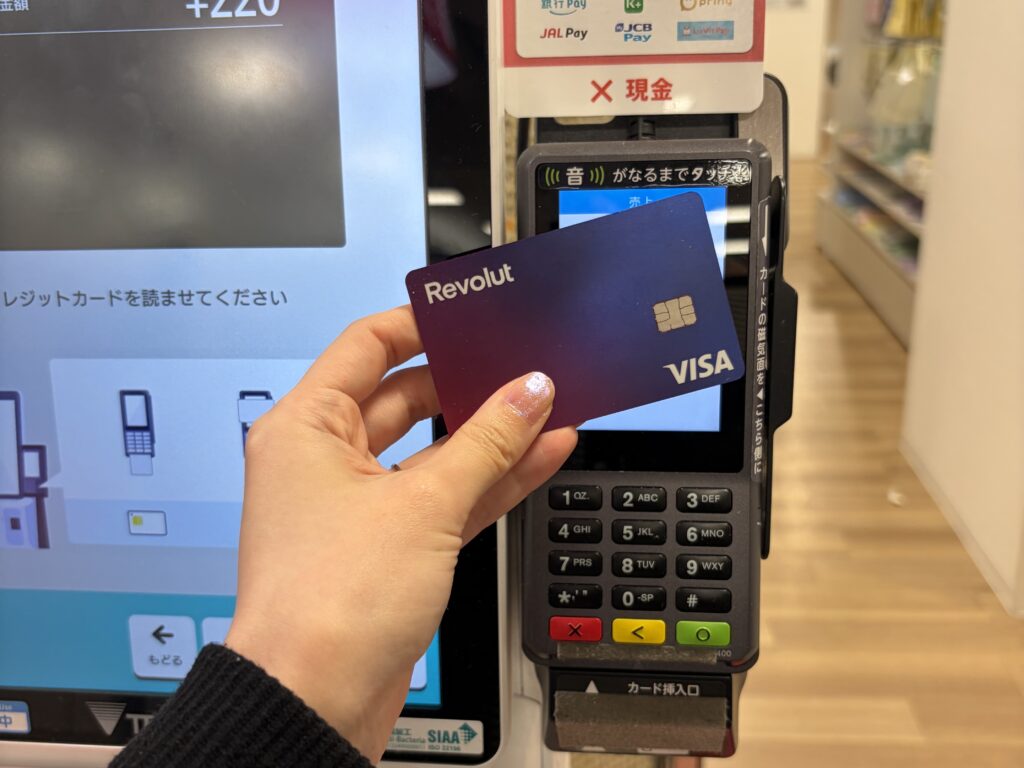
Preparing such a service before your trip can expand your payment options and allow you to use both cash and cards more flexibly.
Other option: Wise
Wise is known for its transparent exchange rates and uses rates close to the real market exchange rate.
It is also strong in international transfers and multi-currency management, making it suitable for long-term stays or users handling multiple currencies.
Compared to Revolut, Wise is more suitable for those who prioritize exchange costs and transfer functionality.
Reference articles
If you want to learn more about payment methods and travel preparation in Japan, please refer to the following article:
What to know before traveling to Japan (eSIM, transportation, payments)
This article also provides a comprehensive explanation of eSIM and transportation options.
Summary: Best Way to Pay in Japan in 2026
While cashless payments are becoming more common in Japan, cash remains an important payment method.
- Urban areas → Cashless payments are widely usable
- Rural areas → Cash is more important
- Credit cards → Visa and Mastercard are the safest and most widely accepted payment networks in Japan.
- Cash → Always carry a small amount
By preparing a balanced mix of cash and cashless payment methods such as credit cards and mobile payments, you can avoid most payment issues and enjoy a smooth trip in Japan.
FAQ: Japan Payment Methods in 2026
Q: Do you need cash in Japan in 2026?
💡 Yes, you still need cash in Japan in 2026. While cashless options are increasing, cash remains essential for traditional shrines, small local eateries, and rural transportation. We recommend keeping 5,000–10,000 yen per person in your wallet just in case.
Q: Which credit cards are most widely accepted in Japan?
💡 Visa, Mastercard, and American Express are widely accepted across Japan. These major brands are the most reliable and convenient options for international travelers at hotels, shops, and restaurants.
Q: Can you use Apple Pay or Google Pay in Japan?
💡 Yes, but they are not universally usable. While they work well at convenience stores and major retailers, many independent shops still require a physical card or cash. We recommend using them as a convenient backup option rather than your primary payment method.