Japan is one of the safest and most convenient countries to visit — which is why so many people choose Japan for their first trip to Asia. Still, there are important things many first-time visitors to Japan don’t expect.
From cash payments and transportation systems to eSIMs and cultural rules, small details can make a big difference in your overall travel experience.
Living in Japan, mimi and I created this 2026 Japan travel guide based on what we actually use in daily life and what we consistently recommend to friends before they travel to Japan.
Here are the essential Japan travel tips you need to explore Japan with confidence.
🛂 Do I need a Visa for Japan?
Visa requirements depend on your nationality.
Many travelers can enter Japan without a visa for short stays, but you should always check the latest rules before your trip.
You can check the official Visa Exemption list here:
Official Japan visa exemption list
Starting in the near future, Japan plans to expand its Japan Electronic System for Travel Authorization (JESTA), which may require online registration before travel.
🏧 ATMs in Japan That Accept Foreign Cards
If you’re visiting rural areas, cash is essential. You’ll likely need it at:
- Temples and shrines (for charms and goshuin stamps)
- Small local restaurants and cafés
- Route buses (especially outside major cities)
- Traditional hot springs (onsen)
Not all ATMs in Japan accept international cards.
The following ATMs have the highest acceptance rate and are the most reliable options for travelers:
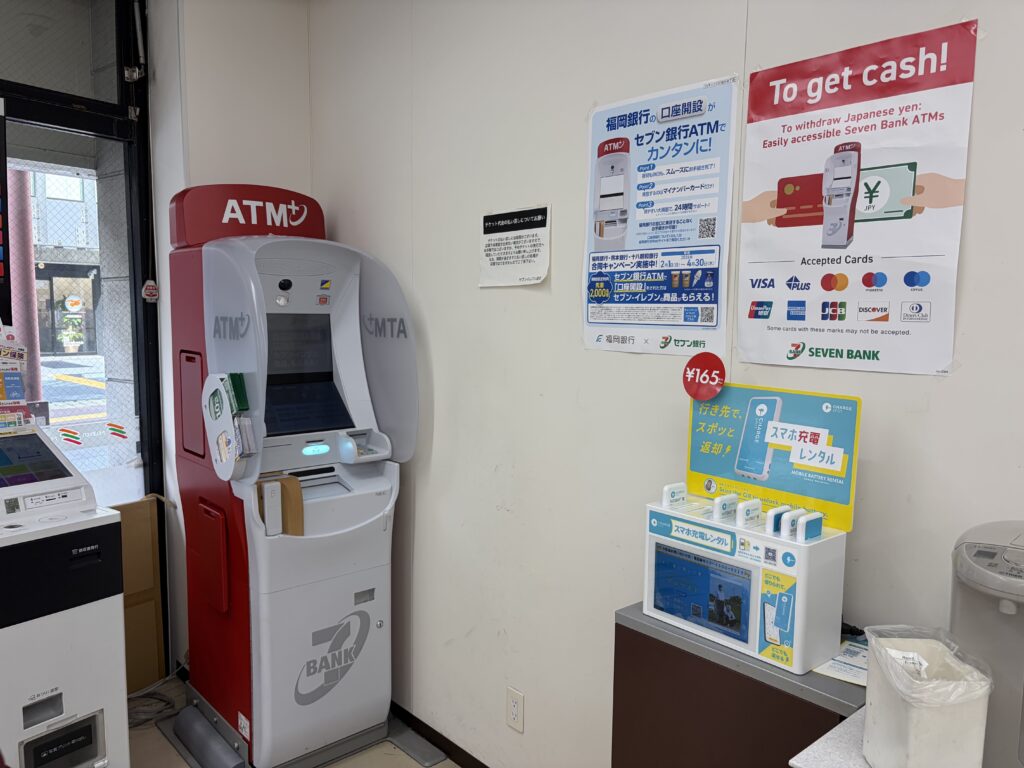
Seven Bank ATMs
- Located inside 7-Eleven convenience stores
- Widely available at airports, train stations, and tourist areas
- Many locations are open 24 hours, making them convenient for late arrivals
Seven Bank official ATM locator page
Japan Post Bank ATMs
- Easy to find at post offices, even in rural areas
- However, operating hours may be limited depending on the location
Japan Post Bank official ATM locator page
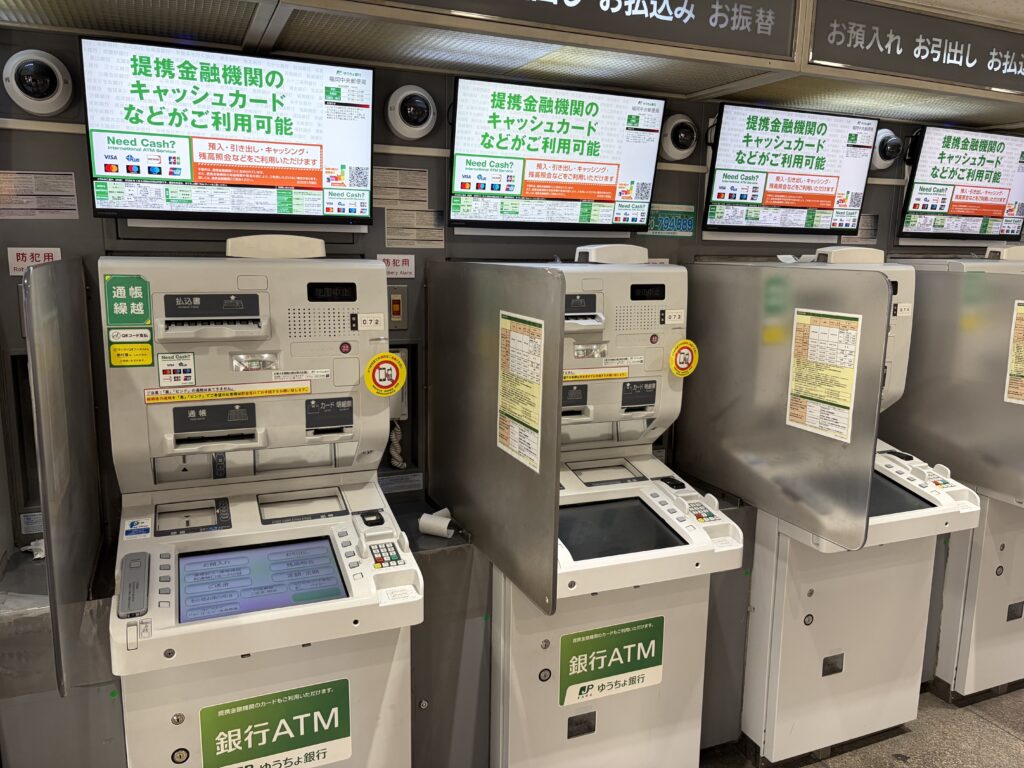
Both support major international card networks, including Visa, MasterCard, and UnionPay.
Some convenience stores other than 7-Eleven may also have ATMs that allow international withdrawals. However, not all machines accept foreign cards, and fees may vary or be higher. It’s always best to check the card network logos displayed on the ATM before using it.
Important Tip
On some local buses, large bills such as 10,000-yen or 5,000-yen notes are not accepted, so it’s best to prepare 1,000-yen bills or smaller cash in advance.
💳 Consider a Multi-Currency Travel Card
In addition to ATMs, many travelers choose to use multi-currency travel cards to avoid high exchange fees.
Revolut is one example available in parts of Europe, Japan, and other regions, offering competitive exchange rates and convenient app management.
We use it ourselves for both travel and everyday spending in Japan.
Whichever card you choose, make sure to prepare the following before your trip:
- Download the app
- Connect it to Apple Pay or Google Pay
- Order the physical card well in advance
- In Japan, contactless payment is common but not available everywhere, so be prepared to insert your card instead of tapping in some stores.
📶 Do You Need an eSIM for traveling in Japan?
Many hotels and large café chains in Japan offer free Wi-Fi. Free Wi-Fi is also generally available at train stations and in public areas, but it can be slow and unreliable.
If you plan to use Google Maps, translation apps, or ride-hailing services while sightseeing, having reliable mobile data is essential.
Recommended eSIM Option: Ubigi
I often use Ubigi when traveling abroad because:
- It provides a stable connection in major cities
- Price is competitive (often available with discount codes)
- The setup is quick and easy
Or read our detailed eSIM comparison guide (coming soon)
Important Tip
Turn off background app refresh to save data during your trip.
🚄 Japan Rail Pass: Important Things to Know(2026)
Rules and availability can change, so always check the official website before booking.
The Japan Rail Pass allows unlimited travel on most JR trains, as well as some buses and ferries across Japan.
Before living in Japan, mimi used the Japan Rail Pass during his trip and traveled mainly by train. It can be a convenient option for short-term visitors who plan to travel long distances. Although you can buy the Japan Rail Pass in Japan, purchasing a voucher online or through an authorised travel agency overseas is slightly cheaper. You will then simply have to exchange the voucher for your pass at a green counter (midori no madoguchi) of a strain station in Japan before your first journey. Be aware, however, that ticket counters may be crowded and that you may have to wait for a while, especially at big train stations.
Important Rules
- You must present your passport when activating the pass
- Only the pass holder can use it
- It is available only to short-term visitors (Temporary Visitor status)
- Makes sure not to lose it, because it is tied to your passport data and cannot be reissued. If you lose you Japan Rail Pass, you will have to purchase tickets for all your remaining journeys, or wait until your lost Rail Pass expires to purchase a new one
Is It Worth It?
Since the 2023 price increase, the nationwide Japan Rail Pass is not always the most cost-effective option.
Depending on your itinerary, regional passes may offer better value.
Regional Rail Pass Options
Depending on your travel route, these can be more affordable than the nationwide pass:
- JR Kyushu Rail Pass
- JR West Rail Pass
- Setouchi Area Pass
- Hokuriku Arch Pass
🚗 Renting a Car in Japan: What Foreign Visitors Need to Know
Public transportation is excellent in major cities like Tokyo, Osaka, and Kyoto. However, once you leave central areas, having a car often becomes necessary.
For example, in nature-rich regions such as Okinawa and Hokkaido, renting a car makes traveling much more convenient.
To drive in Japan, you need:
- An International Driving Permit (IDP)
OR
- An official Japanese translation of your driver’s license (required for certain countries)
Translations must be applied for in advance and may take several weeks to process. Be sure to prepare well ahead of your trip.
You can compare prices and book rental cars online before arriving in Japan.
Both of the following sites are widely used by international travelers.
♨ Onsen Rules in Japan
No Swimsuits
In most traditional Japanese hot springs, bathing is done nude. Swimsuits are generally not allowed, but men and women are separate. There are very few mixed onsens.
If You Have Tattoos
The vast majority of onsen facilities refuse entry to guests with tattoos.
This is because tattoos have historically been associated with organized crime (the yakuzas) in Japan.
Possible Solutions
- Look for a tattoo-friendly onsen (maybe you will find also some yakuzas there…)
- Reserve a private bath (family bath)
- Choose accommodations with an in-room open-air bath
On major booking sites, try using filters such as “private bath” or search keywords like “hotel with private onsen in Japan.”
Many hot spring hotels also offer beautiful private baths with scenic views.
Here is an example from a hot spring hotel in Lake Toya, Hokkaido, known for its stunning lake view baths.


Even as residents of Japan, we often start by checking availability on Booking.com when planning trips within the country.
We also use Agoda, which is especially popular in Asia and offers competitive discounts. It’s easy to use from overseas and often features special deals for hotels in Japan.
You can explore options here:
🛂 Always Carry Your Passport
Foreign visitors are legally required to carry their passport at all times in Japan.
Be sure to carry the original document, not a copy.
🚕 Do taxis in Japan accept credit cards?
Yes, most taxis in Japan accept credit cards, especially in urban areas across the country.
However, some taxis in rural areas or smaller operators may only accept cash, so it’s a good idea to carry a little just in case.
Taxi apps in Japan
Using a taxi app makes it much easier to find a ride and pay without hassle.
Uber
In Japan, Uber connects you to licensed taxis rather than private ride-sharing drivers.
Download on the App Store
Get it on Google Play
GO
GO is one of Japan’s largest taxi apps and operates in most regions across the country.
Download on the App Store
Get it on Google Play
Both apps support multiple languages.
If you can’t find a taxi, asking your hotel or a nearby shop to call one is often the easiest option.
Taxi Tips in Japan
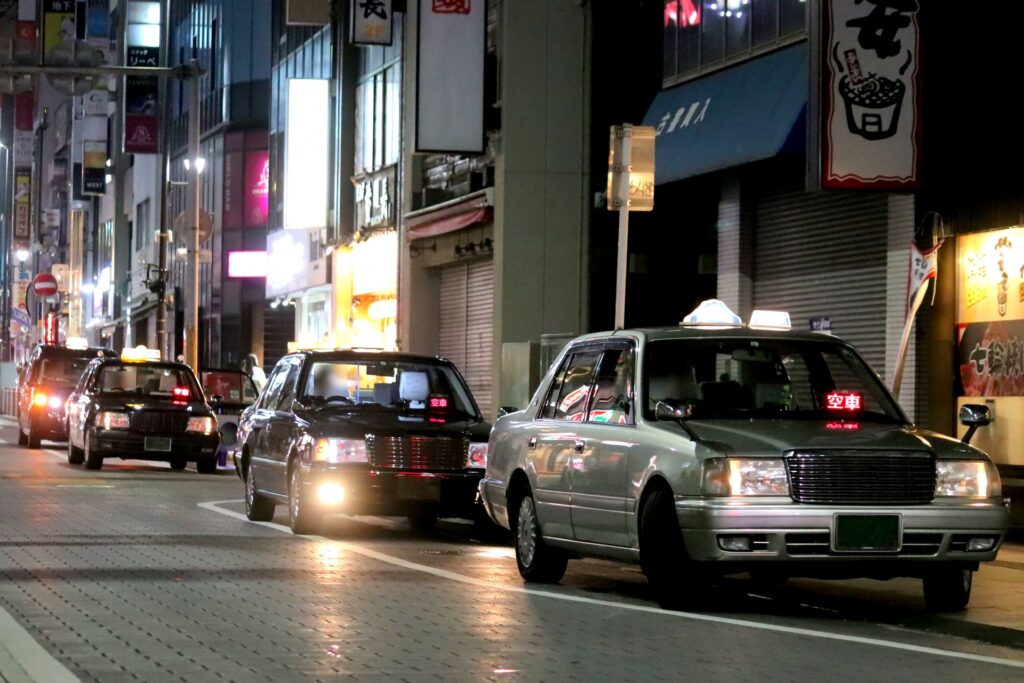
- Taxi doors open and close automatically — do not touch them.
- Taxis in Japan are very safe and reliable, and overcharging is extremely rare.
- You can tell if a taxi is available by the sign in the front windshield—red 「空車」 (kūsha) means available, while green or orange 「賃走」 (chinsō) means it’s occupied.
🏪 Supermarkets Are Cheaper Than Convenience Stores
Convenience stores are extremely convenient, but prices tend to be slightly higher than in supermarkets.
Personally, we don’t use them for everyday shopping — though they’re very helpful when traveling or in case of emergency.
If you find a supermarket or drugstore nearby, you can often save money.
You’ll also find affordable Japanese souvenirs there.
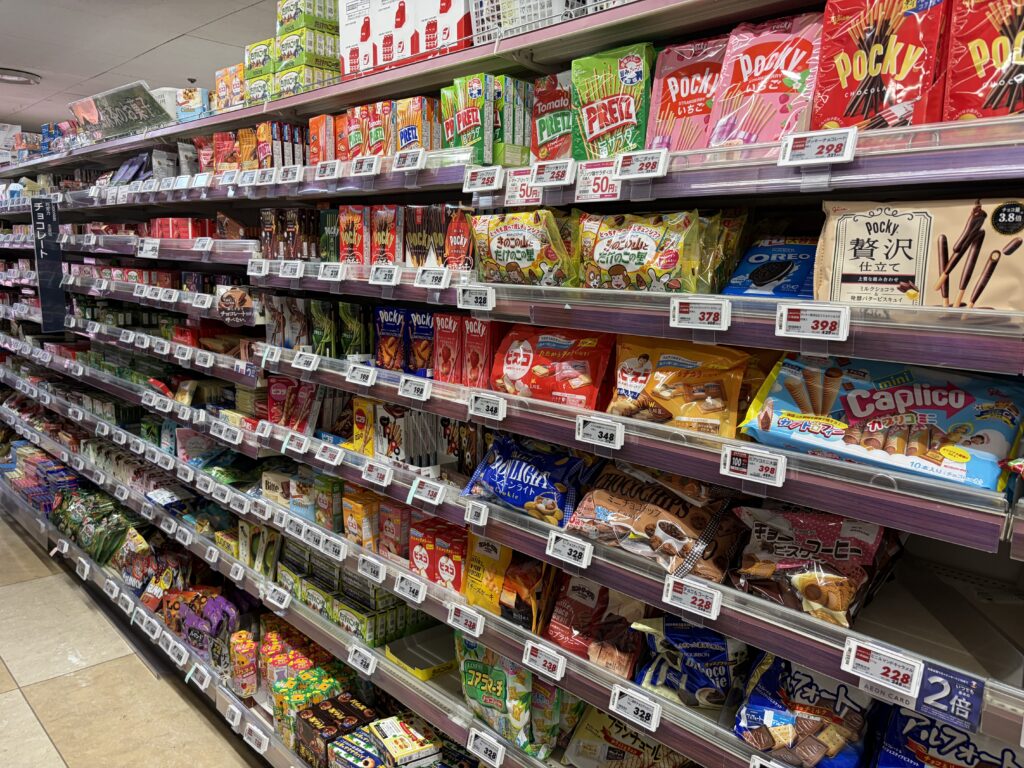
Read our guide to the best Japanese souvenirs you can buy at supermarkets (coming soon)
🍵 Japanese Tea Is Not Sweet
Tea available in supermarkets, convenience stores, vending machines, and restaurants in Japan is generally unsweetened.
Japanese green tea is not sweet by default. While it contains caffeine, it usually has less than coffee.
If you are sensitive to caffeine, especially in the evening, keep this in mind.
Some caffeine-free options like barley tea 「麦茶」 (mugicha) are also common, especially in summer.
💳 IC Cards for Transportation in Japan
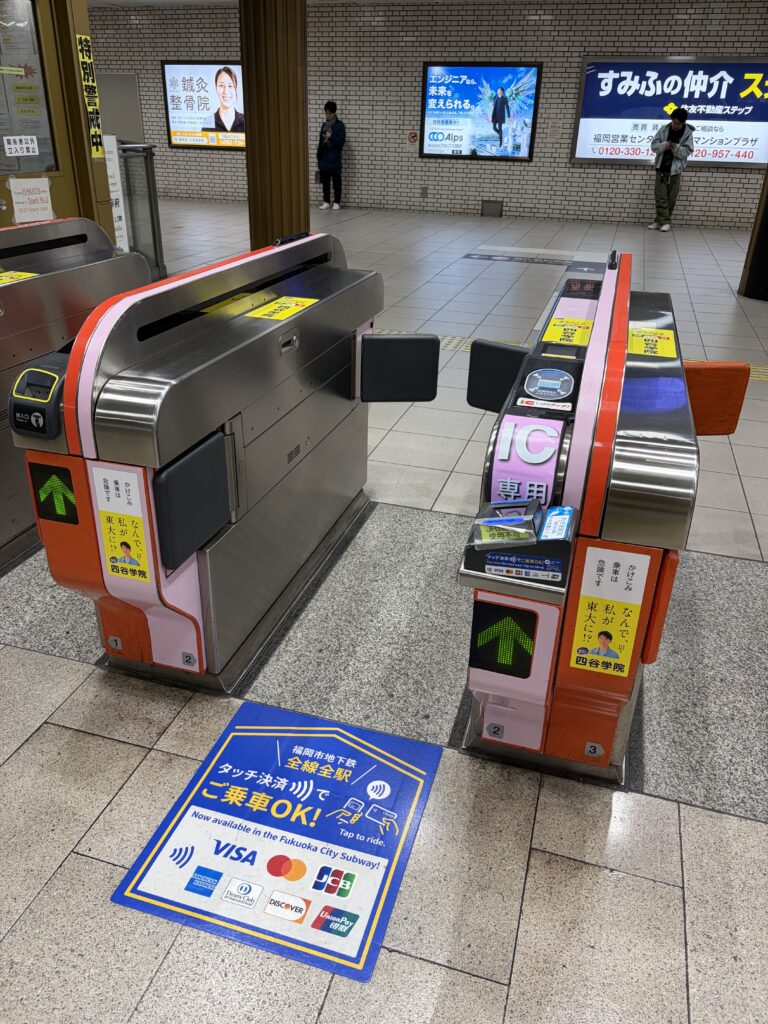
IC cards make transportation much easier — just tap at ticket gates.
In many major cities, some ticket gates also support contactless credit cards (Visa, MasterCard, etc.), but foreign transaction fees may apply depending on your card.
Mobile Suica
Free and easy to top up via your phone.
- iPhone Users: You can add Suica to your Apple Wallet before arriving in Japan. Short-term visitors can also use Welcome Suica (including a mobile version for iPhone users), which is designed specifically for tourists and valid for a limited period.
- Android Users: Most Android phones purchased outside of Japan do not support Mobile Suica. If you have an Android, it’s easiest to get a physical IC card when you arrive.
Physical IC Cards
If you prefer a physical card, you can purchase one at major airports and train stations.
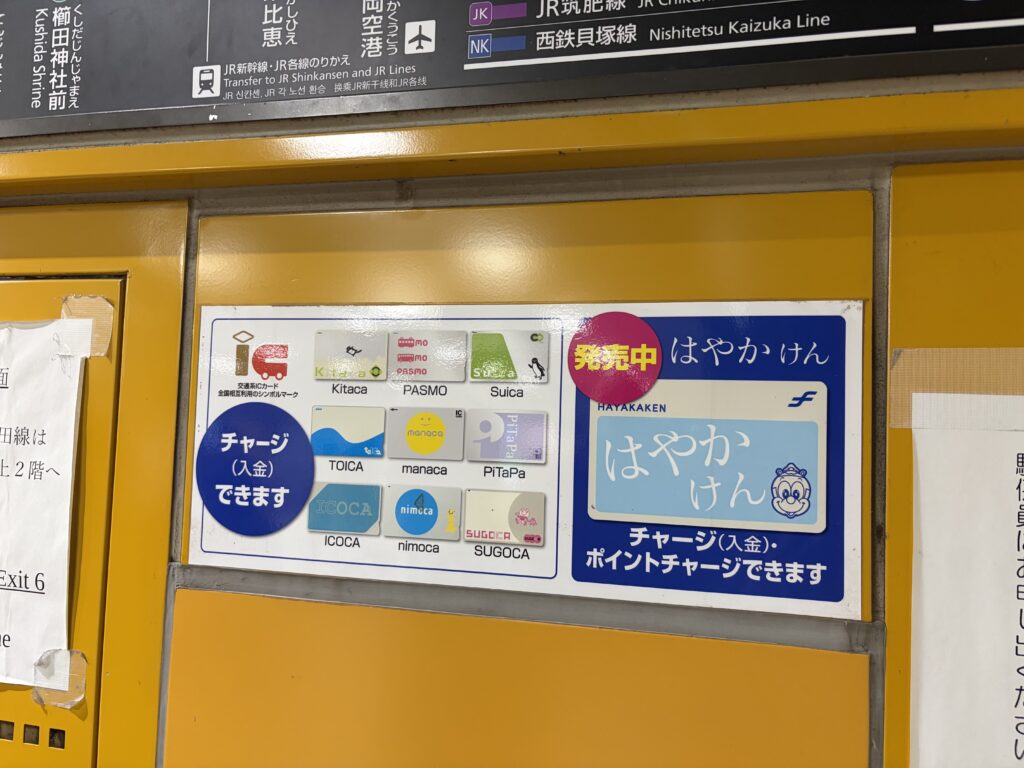
The name might change depending on where you arrive, but they all work the same way:
- Welcome Suica (Tokyo / JR East area)
- ICOCA (Osaka / Kyoto / Kansai area)
- SUGOCA (Fukuoka / Kyushu area)
You can use any of these cards on most JR lines, subways, and buses across Japan.
You can also buy paper tickets at ticket machines if you don’t have an IC card.
Ticket machines can also be used to charge IC cards with cash (only).
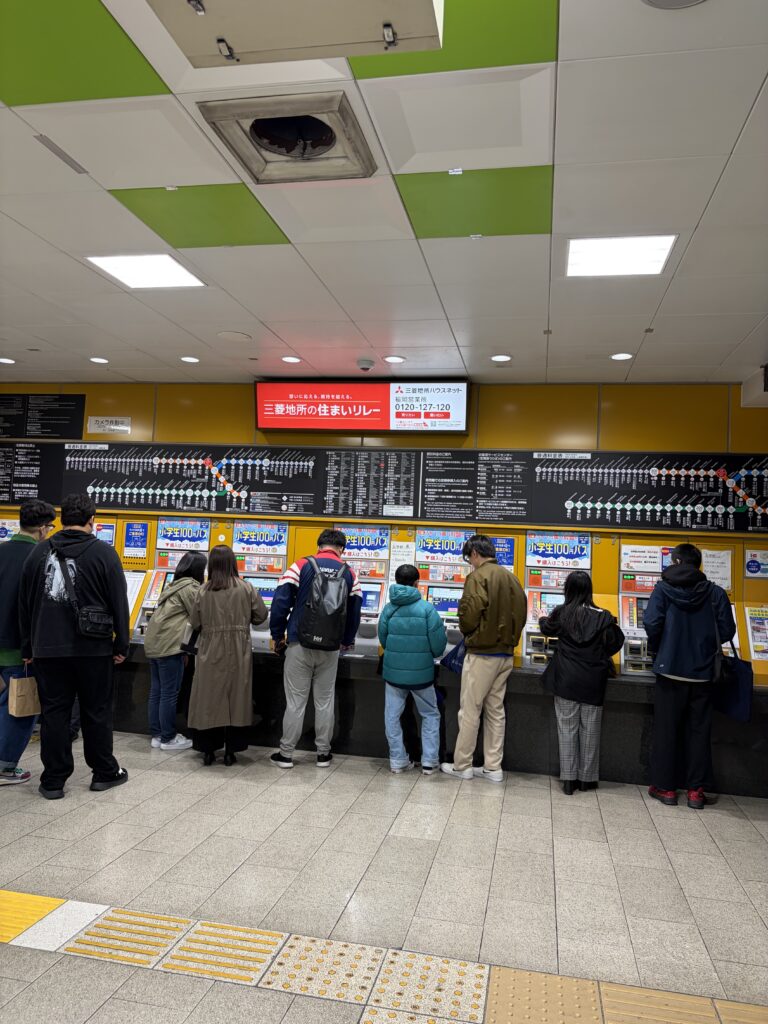
When buying tickets, the fare depends on the distance you travel.
Fares are indicated on the routes maps displayed at ticket machines. Children usually pay a lower fare than adults.
Rural Areas
Some small countryside stations still do not accept IC cards, so keep some cash handy!
🏁 Quick Travel Preparation Checklist
Before You Leave Home
✓ Visa – Checked entry requirements for your nationality?
✓ eSIM – Purchased and ready to activate?
✓ Rail Pass – Checked if it’s worth it for your itinerary?
✓ Travel Card – App installed and physical card ordered?
✓ IC Card – Added Suica to your Apple or Google Wallet, or planning to get one at the airport?
After You Arrive in Japan
✓ Passport – Is the original in your bag (not a copy)?
✓ Cash – Do you have some Japanese Yen for small shops or rural areas?
✓ Onsen Rules – Familiar with tattoo policies and bathing etiquette?
What to Read Next
- Best eSIM Options for Japan (Detailed Comparison – Coming Soon)
- Best Budget Souvenirs You Can Buy at Supermarkets (Detailed Comparison – Coming Soon)